

The Proteins You Eat
 If you are trying to lose weight or get back into shape, you’ve probably heard a lot of talk about proteins. The fact is, proteins are an essential part of any diet and knowing more about them will help any weight loss, muscle building, or recovery effort.
What Is Protein?
Protein is the human body’s main source for building muscle, bone, skin, hair, and many other tissues. There are over 10,000 different types of proteins found in the body. Proteins are broken down further into smaller molecules called amino acids.
In total, there are 20 amino acids, and eight of these are identified as “essential.” The body cannot
produce essential amino acids, so they must be obtained in the diet.
Why Are Proteins Important?
Every cell in the human body requires proteins to carry out important biochemical functions. Proteins can be:
- Antibodies – For fighting infections.
- Enzymes – For chemical reactions, including reading human DNA.
- Messengers – To modulate body processes and reactions. Hormones are an example.
- Structural – For body support and movement which can be skeletal or within the organs.
- Transport & Storage – To carry and store molecules inside cells.
- Fluid Balancers – To regulate body fluid and blood pressure control.
- Energy sources – Used for energy in the absence of carbohydrates.
What are the different types of proteins we consume (e.g., soy, whey, casein, and natural) and how does the body metabolize/use them differently?
- Soy Protein: Derived from the soybean, soy protein is considered a “complete” protein since it contains all eight essential amino acids. Digested gradually, soy helps develop lean muscle mass. Also, soy protein may reduce free radical formation during exercise, which assists muscle recovery. Soy is available as tofu, soy milk and soy burgers.
- Whey Protein: Milk has two protein components, casein and whey. Like soy, whey protein is a complete protein. Whey protein can improve lean muscle mass development and may help with weight loss. Quickly absorbed by the body, whey protein is good for post exercise recovery. Whey protein comes in a powder making it easy to mix into nutrition drinks.
- Casein Protein: The other milk protein, casein provides a more gradual protein release for exercise recovery. Casein showed to be of benefit in increasing lean muscle mass. It also may help with fat loss by increasing your metabolic rate. Casein protein is available in powder and drink forms.
- Natural Protein: These are found naturally in foods without processing. Some of the best sources of natural protein are eggs, milk, yogurt, cheese, fish, soy, nuts, pork, chicken, and turkey. Beef is also a good source of protein, however, lean cuts are the best choice. Finally, processed meats are not the best sources due to their high salt, fat, and chemical content. Natural proteins are slower in metabolism than other proteins and protein supplements.
Does Soy Affect Testosterone Levels In Men?
Contrary to some reports soy has not showed to reduce testosterone in men or cause feminizing effects. In fact, bodybuilders use soy regularly to build muscle mass and shorten recovery times.
What about Synthetic Proteins?
The term “synthetic” means proteins produced in a laboratory and not derived from a natural source. Although this field of research is developing, there are no widely available synthetic proteins for human nutrition. Other ways the term “synthetic” might be in reference to protein drinks that contain artificial ingredients and sweeteners that may not have nutritional benefits.
What Are Protein Powders?
Protein powders are found mostly as whey, casein, and soy preparations. One of the main advantages of protein powders is convenience. You can get a significant amount of protein in your diet from protein powders while avoiding the extra calories associated with natural proteins. These powders can be useful with:
- Intense exercise or muscle growth activity
- Injury recovery
- Vegetarian diets
There is some controversy as to whether or not the body needs, or can use, the extra protein provided by protein powders.
Protein Absorption Rates
 The typical absorption rates of protein from your digestive tract are:
- Whey 8–10 grams absorbed per hour
- Casein 6.1 g/hr
- Soy 3.9 g/hr
- Egg 1.3 g/hr
How Much Protein Do I Need?
The typical American consumes 1.5 g/kg/day (0.7 g/lb/day) of protein.
The recommended protein intake for:
- Average Americans = 0.8 g/kg/day or 0.4 g/lb/day.
- Strength training = 1.4-1.8 g/kg/day or 0.6-0.8 g/lb/day
- Endurance training = 1.2-1.4 g/kg/day or 0.5-0.6 g/lb/day
The CDC makes these recommendations for protein intake:
| Recommended Dietary Allowance for Protein | |
| Grams of protein
needed each day |
|
| Children ages 1 – 3 | 13 |
| Children ages 4 – 8 | 19 |
| Children ages 9 – 13 | 34 |
| Girls ages 14 – 18 | 46 |
| Boys ages 14 – 18 | 52 |
| Women ages 19 – 70+ | 46 |
| Men ages 19 – 70+ | 56 |
When Is The Best Time To Eat Protein?
For athletic performance, it’s generally best to eat protein immediately post-workout. To help muscles recover faster, some recommend protein intake during workouts. This makes protein drinks especially attractive.
Research reveals that protein intake throughout the day (every 3 hours or so) may also provide a performance advantage. This coincides with other advice that says eating smaller meals every 3-4 hours promotes healthy body weight.
It is thought that Casein is especially beneficial during evening intake for overnight muscle recovery due to gradual protein release.
Conclusion
Having a well-rounded knowledge base about proteins improves your nutritional outlook. Add this to regular exercise and a healthy lifestyle, and you’re sure to meet your fitness goals.

 There’s no escaping this simple truth: Breakfast is the most important meal of the day. Breaking the fast after you sleep is an actual thing that you need to do. The
  If you’re an egg lover, check out these
 All fats are not created equal, which is why we hate to see them all swept into the corner, labeled “bad” and dismissed faster than it took Game of Thrones’ Catelyn Stark to shun her husband’s bastard son, Jon Snow. Let’s play nice and take a closer look.
 Commonly referred to as solid fats because they’re solid at room temperature, these frightening fats can wage war on your heart by infiltrating your bloodstream and clogging up your arteries.
 According to
 So think about this: For many years, the only way to track your workout performance and food intake was to manually look up information such as how many calories there are in a medium-size pomegranate and how many calories you burned chasing your freakishly quick Lhasa Apso down the street. Then you had to write everything in a log. The process was time-consuming and tedious, to say the least. But, there were always the strong at heart that would try diligently; until, of course, their mind would inevitably numb before their second set of squats and the logging would end.
 Bodybuilding states that keeping a training journal is the boost elite athletes have over Mr. Wannabe in the gym. Think about how elite athletes have to train to perform better than their competition. Their tracking of what they do is no less intentional and rigorous.
 Spending thousands of dollars on a health gadget that simulates your blood pressure and heart rate on different planets with a gravity adjustment setting may seem perfectly reasonable to you. Make sure, though, you plant your feet on the ground first and remind yourself of what you are trying to accomplish. Technology is just a tool.
 The problem is that this formula is much, much, much easier to read than implement. Thanks to food cravings, as noted by
 The quickest solution to the low-T debacle is the use of testosterone therapy. Doctors are readily prescribing meds containing synthetic testosterone as a way to boost the amount of testosterone in patients. However, the worry is that doctors are prescribing this therapy too easily and without asking the right questions. Before going to the doctor to inquire about low testosterone levels, you may want to ask yourself the following questions related to symptoms and causes of low-T:
 In today’s post I am going to share with you the ins and outs of the Paleo diet. Then you can decide if it is for you.
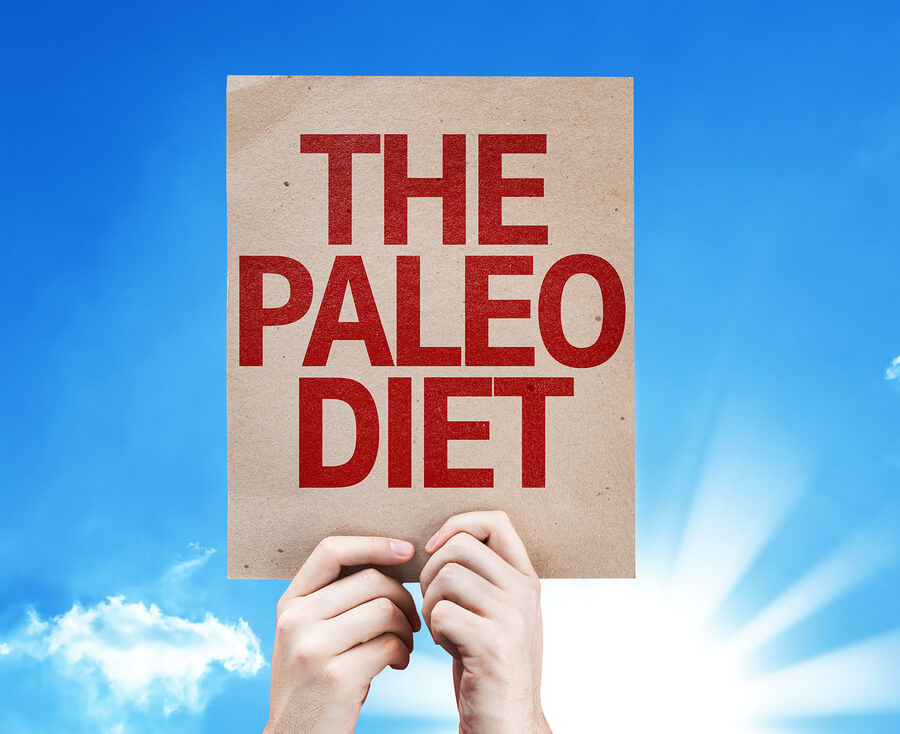 Despite some no-nos, foods that can be eaten on the Paleo diet are voluminous and quite good in taste. Specifically, meat and seafood are staples of the paleo diet. From beef and chicken to salmon and crab, protein is essential when it comes to maintaining a healthy body and those of the Paleolithic era knew this. Which is why they made these foods such an integral part of their diet. After all, they weren’t call hunter gatherers for nothing.
 As seen in these studies, eating a paleo diet has a number of health benefits usually pertaining to blood pressure, blood sugar, weight loss, and cholesterol. But it is important to keep in mind that there are still more studies to be performed in order to examine and be conclusive about all of the health benefits of the paleo diet. For instance, one health benefit not specifically mentioned in the aforementioned studies is athletic performance.
 Despite the
  Of course, the best benefit of body weight exercise is that it works. This form of exercise hasn’t surged in popularity for nothing, and it offers several other great benefits:
 Push-ups may seem like a beginner move, but they remain one of the most powerful body weight exercises to improve upper body strength. It primarily target the pectoral muscles (chest), triceps, and deltoids (shoulders). However, they also engage the abdominal muscles, building your core strength.
 The body weight squat is a fantastic exercise to target the quadriceps, hamstrings, and glutes (they also engage the calves, abs, and back to a lesser extent). Begin by standing with feet shoulder width apart. Being careful not to let the knees extend past the toes, sit back until your thighs are roughly parallel to the floor. Push upward, engaging your leg muscles to return to the starting position. Repeat for 3 sets of 10.
 Okay everyone, I have something really cool for you. First though let me stop for a sec to say, as many of you know I got married this last September and I was kind of a bad boy around all the festivities with my diet plan.


 YES! Contact me today to schedule a FREE no obligation consultation and trial workout.