

Don’t Believe These Three Supplement Myths
If you could live a longer, healthier life by taking a small pill each day, you’d do it wouldn’t you? You’d be crazy not to! So with this fact in mind, the incredible growth of dietary supplements makes sense. An estimate of one out of every three Americans currently takes some sort of nutritional supplement each day. According to government statistics, more than $11 billion is spent each year on vitamins and minerals in the U.S. alone!
 This extreme interest in health and nutrition is, unfortunately, fueled by false advertisement. The Internet, television, and product labels make claims not backed by science, fooling millions and reaping a sizable paycheck. Furthermore, in America, Food and Drug Administration regulates supplements the same way that foods are, not as if they are medications. Thus, supplement manufacturers aren’t required to back their claims by science.
In your quest for fitness, don’t be fooled by these three myths surrounding the use of nutritional supplements.
Myth #1: “More Is Better”
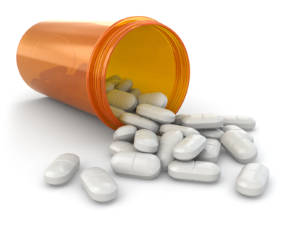 If vitamins, minerals, botanicals, and herbs are good for you and available over the counter, they must be safe to take in high doses, right? Science has proven otherwise. You feel a cold coming on so you pop the vitamin C pills and lozenges to ward it off, but too much of certain vitamins and minerals can be dangerous. For example, when you overdose on vitamin C, your body loses its ability to absorb copper; too much phosphorous and your body can’t absorb enough calcium; vitamins A, D, and K can build up to toxic levels when large doses are taken; too much vitamin A will put you at risk for osteoporosis; vitamin E may increase your risk of stroke; and iron your risk of heart disease. And you thought those supplements came with no risks.
When choosing a multivitamin and other supplement, look for ones that contain no more than 100 percent of each ingredient and be careful of combining a multivitamin with another vitamin supplement.
Myth #2: “A Supplement Will Make Up for My Unhealthy Diet”
Hate vegetables? Drink too much caffeine? Like to skip breakfast? Well, be wary of relying solely on supplements to make up for your nutritional deficiencies. Your body is better able to absorb nutrients from real food. So supplements should only be taken as icing on your healthy cake. Besides, relying on supplements to fill in nutritional gaps can put you at risk for the overdosing dangers mentioned above.
With a healthy diet that includes plenty of fruits, vegetables and lean proteins, you’ve got little room for the need of supplements. Eating a healthy well-rounded diet will also provide millions of phytonutrients unavailable in supplement form. It also helps your supplements be more effective when you do take them, as supplements are made less effective when taken on an empty stomach.
Myth #3: “I Can Trust the Claims of Supplement Labels”
Many supplement containers describe the health benefits their ingredients aim to provide. These range from increased vitality to improved disease immunity. Great as these claims may sound, there are no significant and proper research to back them up. They are, however, great marketing tools that will pull you in and trick you right out of your money.
It isn’t surprising that the claims of supplements aren’t proven by anything other than anecdotal evidence. Recently, independent research found that 30 percent of products labeled as multivitamins do not include the ingredients in the amounts listed on the labels and occasionally contain dangerous ingredients.
If you haven’t yet become one of my valued clients then now is the time! I’d like to show you how a consistent, challenging exercise program will dramatically transform your body – once and for all!
Call or email today to get started!
Reinvent Yourself
Recent advances in neuroimaging techniques have discredited the old saying, You can’t teach an old dog new tricks. Scientists have discovered that the brain actually has dynamic properties throughout life. This means that your brain is always evolving. Through practice, you are able to change your habits and change yourself.
So go on, reinvent yourself!
Fast & Healthy Fish Tacos
Who said that fish tacos had to be fried? This refreshing recipe uses baked Cod and fresh coleslaw for that fish taco taste that is hard to beat. Need to fix dinner in a hurry? This recipe only takes 20 minutes.
Servings: 2
Here’s what you need…
 1 pound Fresh Skinless Cod
1 Tablespoon Coconut oil
¼ teaspoon Cumin
⅛ teaspoon Garlic powder
½ cup Nonfat Plain Yogurt
1 Tablespoon Apple Cider Vinegar
2 Tablespoons Honey
3 cups Shredded Cabbage Mix
4 Whole Wheat Tortillas
Lime or Lemon to taste
Rinse fish and past dry with paper towels. Cut fish crosswise into ¾ inch slices. Place fish in single layer in greased shallow baking pan. Combine coconut oil, cumin, and garlic powder. Brush over fish. Bake in a 450 degree oven for 4 to 6 minutes or until fish flakes easily when tested with a fork.
Combine the yogurt, vinegar and honey. Place the cabbage in a medium sized bowl. Combine the yogurt mixture with the cabbage until well blended.
Spoon some of the coleslaw mixture into each tortilla; add fish slices. Squeeze fresh lime or lemon to taste. Enjoy!
Nutritional Analysis: One serving equals: 327 calories, 5g fat, 40g carbohydrate, and 26g protein.

 Here’s a great recipe for a busy weeknight dinner. Ground turkey breast is mixed Mediterranean spices to create flavorful, protein-packed kebabs. Serve with salad and vegetables and a side of plain Greek yogurt.





 There’s no escaping this simple truth: Breakfast is the most important meal of the day. Breaking the fast after you sleep is an actual thing that you need to do. The
  If you’re an egg lover, check out these
 All fats are not created equal, which is why we hate to see them all swept into the corner, labeled “bad” and dismissed faster than it took Game of Thrones’ Catelyn Stark to shun her husband’s bastard son, Jon Snow. Let’s play nice and take a closer look.
 Commonly referred to as solid fats because they’re solid at room temperature, these frightening fats can wage war on your heart by infiltrating your bloodstream and clogging up your arteries.
 According to
 So think about this: For many years, the only way to track your workout performance and food intake was to manually look up information such as how many calories there are in a medium-size pomegranate and how many calories you burned chasing your freakishly quick Lhasa Apso down the street. Then you had to write everything in a log. The process was time-consuming and tedious, to say the least. But, there were always the strong at heart that would try diligently; until, of course, their mind would inevitably numb before their second set of squats and the logging would end.
 Bodybuilding states that keeping a training journal is the boost elite athletes have over Mr. Wannabe in the gym. Think about how elite athletes have to train to perform better than their competition. Their tracking of what they do is no less intentional and rigorous.
 Spending thousands of dollars on a health gadget that simulates your blood pressure and heart rate on different planets with a gravity adjustment setting may seem perfectly reasonable to you. Make sure, though, you plant your feet on the ground first and remind yourself of what you are trying to accomplish. Technology is just a tool.
 The problem is that this formula is much, much, much easier to read than implement. Thanks to food cravings, as noted by
 The quickest solution to the low-T debacle is the use of testosterone therapy. Doctors are readily prescribing meds containing synthetic testosterone as a way to boost the amount of testosterone in patients. However, the worry is that doctors are prescribing this therapy too easily and without asking the right questions. Before going to the doctor to inquire about low testosterone levels, you may want to ask yourself the following questions related to symptoms and causes of low-T:
 In today’s post I am going to share with you the ins and outs of the Paleo diet. Then you can decide if it is for you.
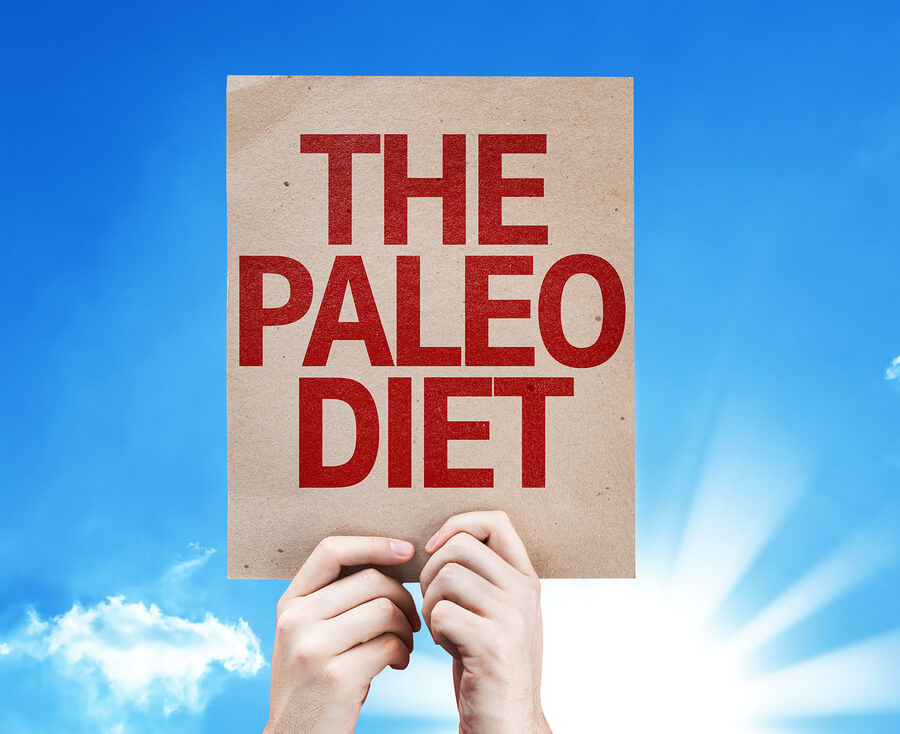 Despite some no-nos, foods that can be eaten on the Paleo diet are voluminous and quite good in taste. Specifically, meat and seafood are staples of the paleo diet. From beef and chicken to salmon and crab, protein is essential when it comes to maintaining a healthy body and those of the Paleolithic era knew this. Which is why they made these foods such an integral part of their diet. After all, they weren’t call hunter gatherers for nothing.
 As seen in these studies, eating a paleo diet has a number of health benefits usually pertaining to blood pressure, blood sugar, weight loss, and cholesterol. But it is important to keep in mind that there are still more studies to be performed in order to examine and be conclusive about all of the health benefits of the paleo diet. For instance, one health benefit not specifically mentioned in the aforementioned studies is athletic performance.
 YES! Contact me today to schedule a FREE no obligation consultation and trial workout.